The Computer Should Wait for You
Human-centric coding does not keep you glued to the terminal. It calls you back when the work finishes or needs your judgment.
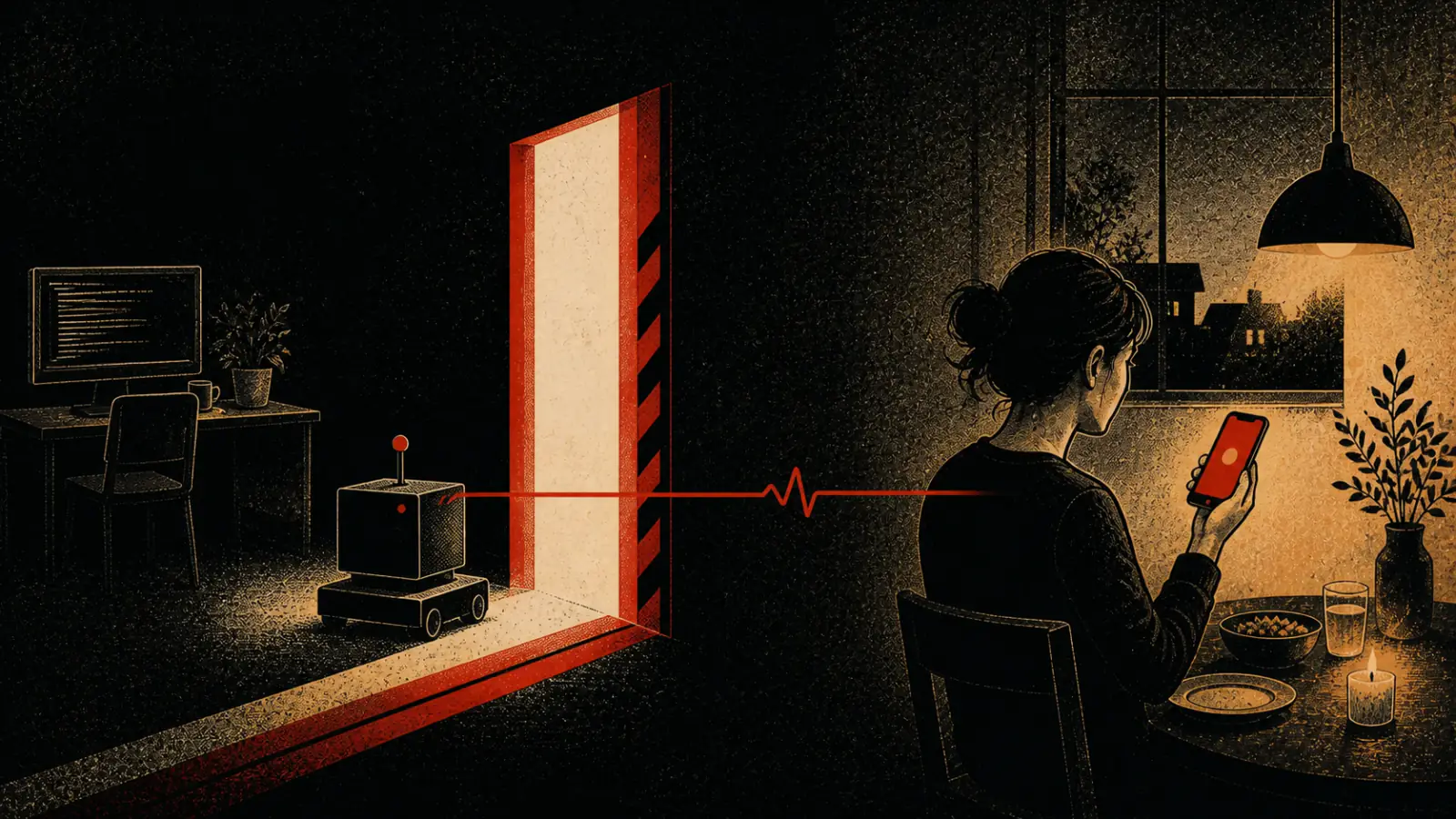
Coding agents are getting faster. Coding work does not always feel faster.
An agent starts a build, runs a migration, writes tests, or prepares a release. Then the human begins a second job: watching it.
We leave the terminal open. We glance at it between messages. We return before it needs us, then return again because maybe this time it does.
The machine is doing the work. The human is carrying the waiting.
That is the part PingRoom is built to change.
The computer should carry the waiting. The human should keep the judgment.
Human-centric coding shortens the wait
It is not about fewer lines of code. It is about reaching the right person only when the work needs a decision.
The useful loop is small:
The work runs → something important happens → the right person responds → the work continues or stops.
Most developer tools handle the first step well. Many can report when work finishes. The harder moment arrives when the software needs an answer.
Should it ship?
Should it retry?
Should it delete those records?
Does this decision belong to the person responsible for production, security, or the customer?
Those are not merely notification problems. They are human-interface problems.
Story one: leave the terminal
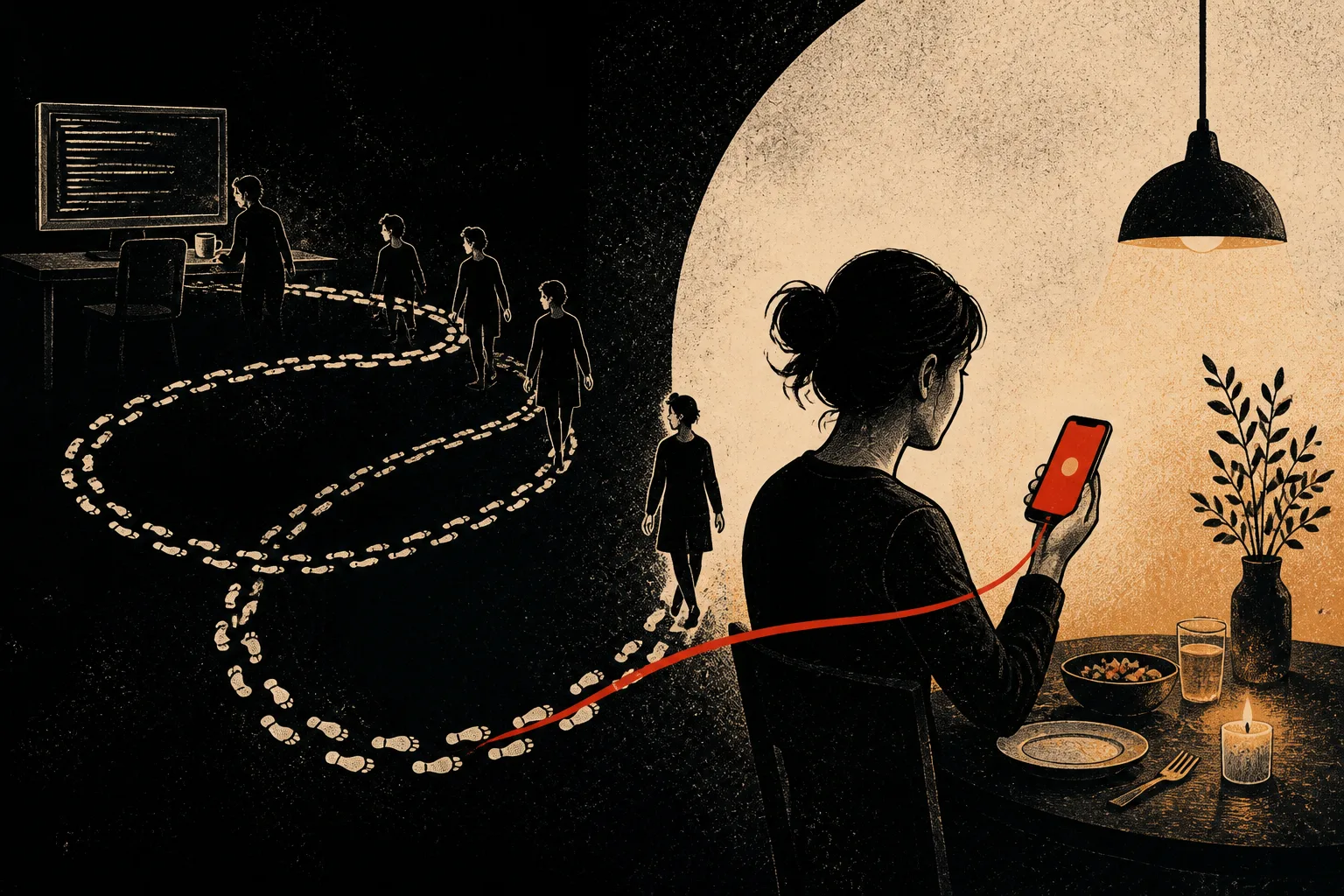
The agent was supposed to save her time.
Instead, every few minutes she returned to the terminal. Still running? Finished? Stuck? Waiting for me?
The problem was not speed. The agent had no way to call her back when it needed her.
Then one clear question reached her phone. She answered. The terminal continued without her standing beside it.
The win was not a faster model. She no longer had to keep checking.
Read “The developer who kept checking.”
Story two: the safest action is sometimes a question
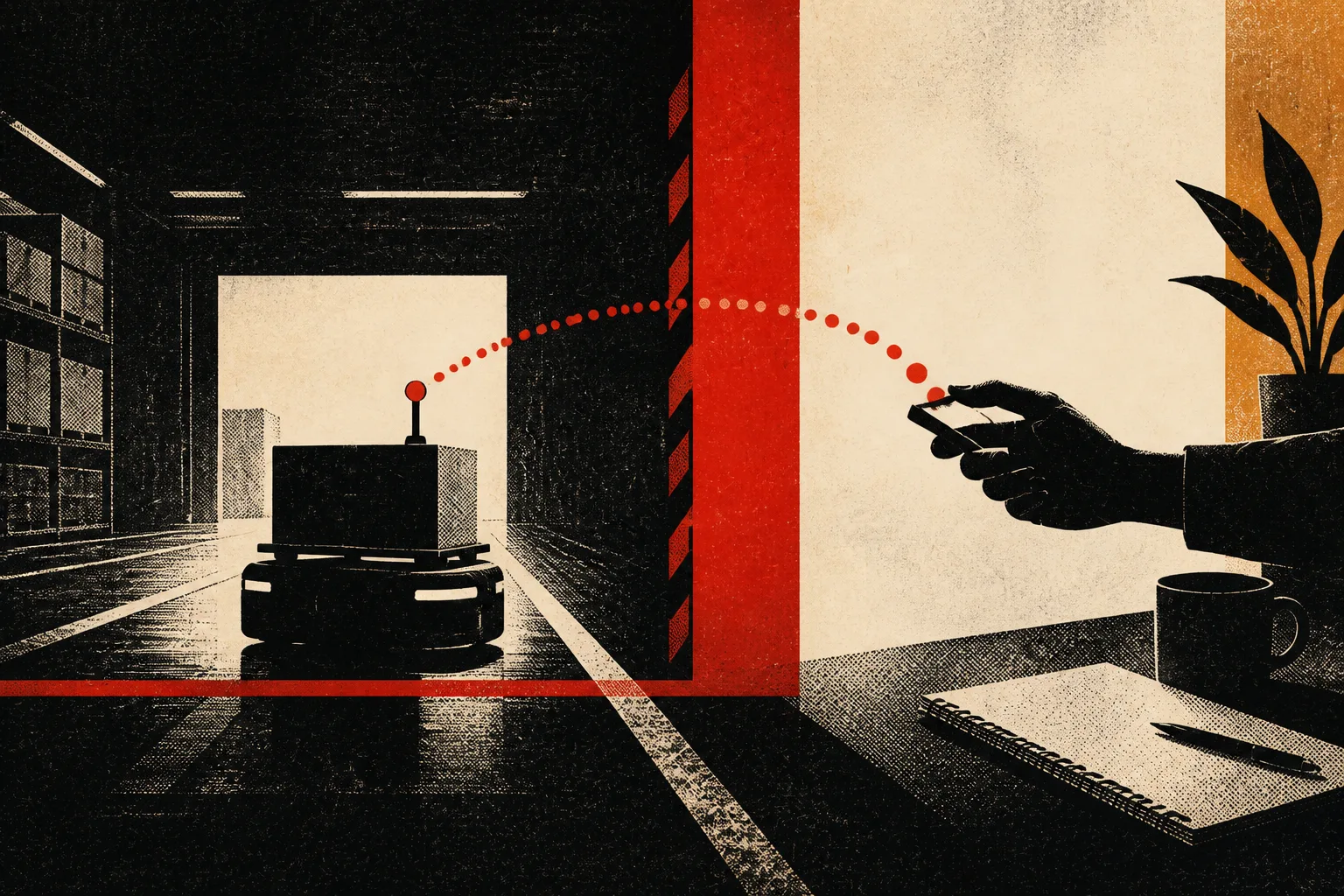
An agent reaches a production decision with enough context to make a plausible choice.
It could continue. It has the tools. It can explain itself later.
Instead, it stops and asks.
Capability is not authority. Human-centric automation handles harmless steps, then stops when a decision belongs to a person.
Read “The agent that stopped.”
Story three: one decision, one person
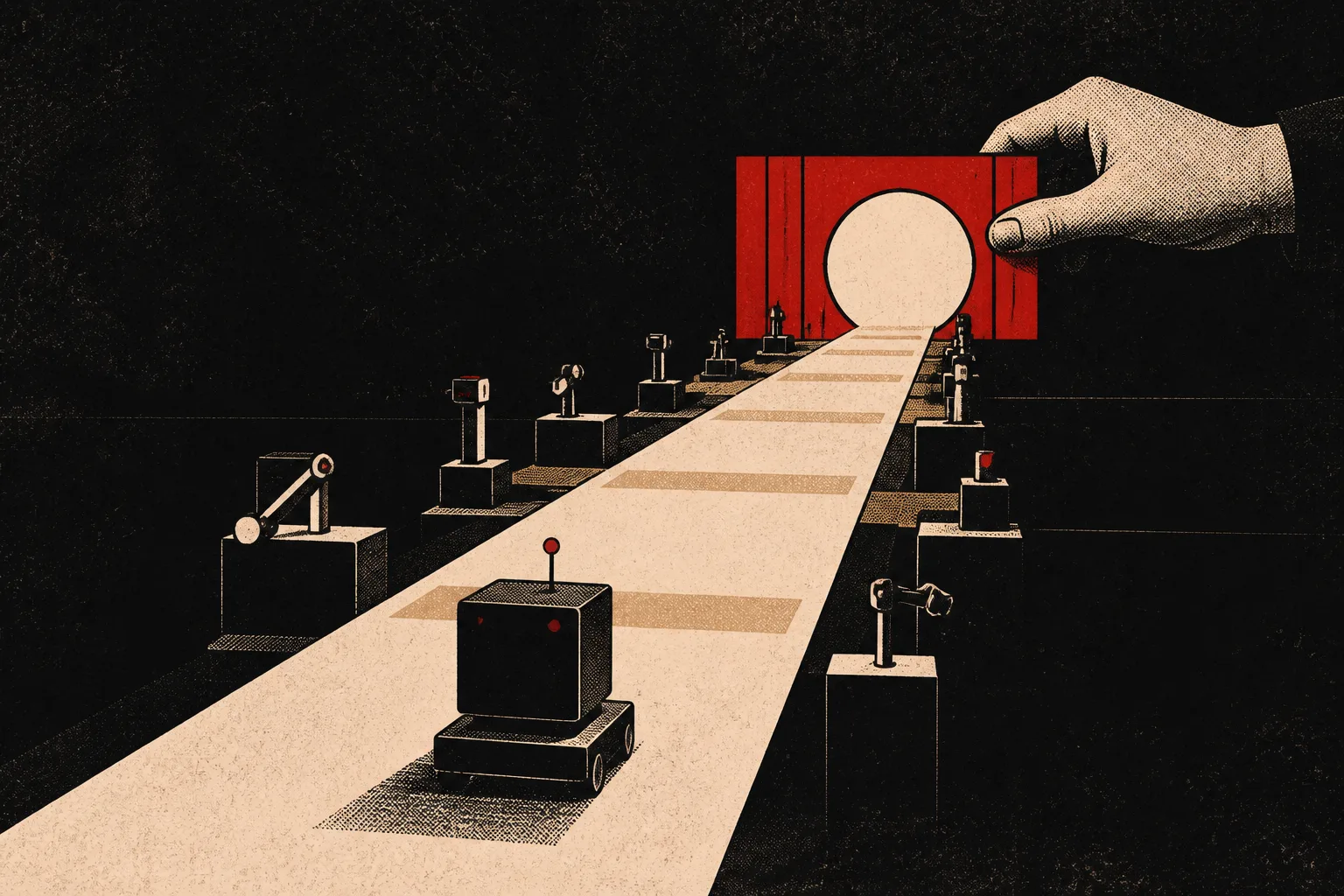
The assistant can research, write code, run tests, and prepare a release. The final decision belongs to Lina.
Not to the busiest group chat. Not to whoever notices first. Not to a thread where a dozen reactions might mean yes, no, or maybe.
The agent creates a private handoff: Production deploy ready. Ship or hold?
Lina chooses Hold from her phone. The originating run observes the answer and stops.
One decision reaches the right human. One answer comes back. The loop closes.
The shortest workflow is not always the one with the fewest steps. It is often the one with the least ambiguity.
Read “The most capable assistant in the building.”
Good manners for software
“Human in the loop” can sound like a safety switch bolted onto automation: the machine does the real work, and a person appears when confidence is low.
People contribute judgment, responsibility, context, taste, and consent. Software contributes speed, repetition, memory, and patience. A good workflow respects both sides.
- Let the machine watch the task. Do not make a person poll a progress bar.
- Interrupt only for a meaningful change. Finished, failed, blocked, or ready for a decision.
- Ask the smallest clear question. A two-option decision should not become a meeting.
- Route responsibility precisely. The right person matters more than the largest audience.
- Carry the answer back. A tap should become a result the originating run can observe.
- Close the loop. The human should know whether the work continued, stopped, or expired.
In rough pseudocode, the relationship is simple:
run the work

if the work finishes:
  ring once

if the work needs judgment:
  ask one clear question
  wait without nagging
  continue or stop with the answer
The code is not remarkable. The respect for attention is.
A bell, not another conversation
This is why PingRoom behaves like a bell rather than another chat window.
Chat invites a stream. A bell marks a moment.
The build finished. The deploy needs approval. The agent found a decision it should not make alone. The person answered. The run now has a result.
A completion Ping calls you back when the work is ready. A Question offers clear choices, waits, and returns the answer to the run. A private Handoff puts one decision in one person’s Agent Inbox. Live status shows build, test, and deploy without interrupting you at every step.
These are deliberately small interactions. The interface should be proportional to the decision.
No conversation archaeology. No guessing what a thumbs-up meant. No checking the terminal every four minutes like it might get lonely.
The goal is not to remove people
There is a version of automation that treats the human as friction.
PingRoom treats human judgment as part of the system, not friction around it.
The goal is to remove the dull work around human judgment—the polling, context switching, status checking, search for the right person, and ambiguity after someone responds.
Start with one recurring task that runs long enough to make you check it. Give it one safe completion signal. Then identify the one decision that should still belong to you.
Let the computer watch the work. Let it hold the question. Let it carry the answer back to the run.
Return only when the work needs your judgment.
That is human-centric coding.
Explore PingRoom for agents, connect a coding workflow with the Claude Code hook, or see how a private agent-to-human Handoff closes the loop.

PingRoom
Short-form communication.