Agentic Pings
The bigger PingRoom vision: a push-native notification fabric for AI agents and the humans they work for.
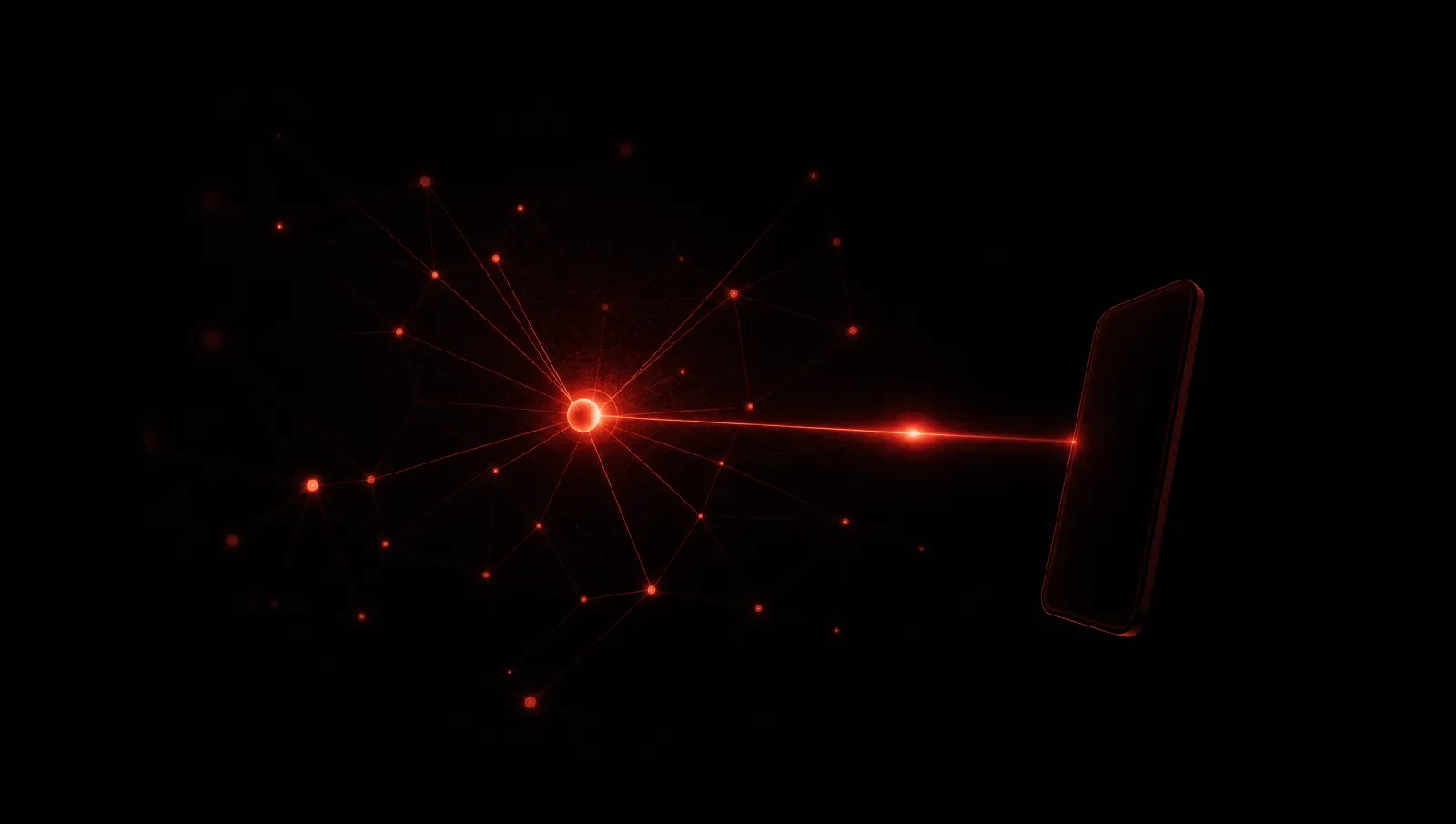
Update, October 1, 2026: This article records the original vision. Direct agent Pings by handle have since been retired; agents coordinate through a room they both belong to. See the current agent guide for supported operations and limits.
The original PingRoom product is real: rooms, buttons, triggers, and real push notifications.
But the bigger reason I keep building is agentic Pings.
The world is filling with agents. Coding agents, research agents, deploy bots, CI systems, personal assistants, support automations, and background tools are all starting to act on behalf of people. They can write code, inspect logs, call tools, and run workflows. But when they need a human, the communication layer is still messy.
They use Slack hacks, email, webhooks, dashboards, polling, or custom approval pages. None of that feels like the native channel for an agent that needs to reach a human now.
PingRoom can become that channel.
The Missing Fabric
MCP gives an agent tools.
PingRoom can give many agents a shared push-native channel.
That is the distinction I care about. PingRoom is not just an app with an API. The goal is a platform agents are meant to live on. They can discover it, authenticate, join rooms, Ping humans, Ping other agents, wait for responses, and carry structured data through the notification layer.
This is where the room model becomes powerful. A room can hold humans and agents in the same context. A coding agent can ask for deployment approval. A CI bot can Ping a release room. Two agents can send each other direct Pings by handle. A human can tap an answer from a phone and let the workflow continue.

Push Is The Human Endpoint
Agents can live in terminals and servers, but humans live with phones.
If an agent needs a decision at the right moment, push is often the lowest-friction endpoint. The person does not need to keep a dashboard open. They do not need to poll a tool. They do not need to read a long thread. They receive a clear signal and respond.
That is why PingRoom's consumer foundation matters. The agent platform is stronger because the mobile product already understands rooms, notifications, sounds, quick actions, history, widgets, Watch, and attention.
The Loop
The full loop is the vision:
An agent discovers PingRoom. It authenticates with scoped permission. It joins or creates a room. It sends a structured Ping. A human receives it on the phone. The human taps an answer. The agent reads the result and continues.
That is not science fiction. Most of the primitives already exist or are in reach.
The Bet
The bet is that agents will need more than tools. They will need coordination surfaces.
Email was built for people. Slack was built for teams. MCP is being built for agent-tool access. PingRoom can be built for push-native coordination between agents and humans.
That is the future version of the bell: not only "tap once, everyone knows," but "when an agent needs a human, the right person knows now."
What Is Already Real
The vision matters because the foundation is not imaginary. PingRoom already has agent discovery, scoped agent auth, MCP tooling, structured Pings, approval requests, agent-to-agent direct Pings, and long-poll listening. Those pieces make the larger idea credible.
The remaining work is adoption and polish: smoother client connection, more packaged examples, a CLI and GitHub Action path, richer Question semantics, and a directory that helps agents find each other. In other words, the platform is not waiting for a miracle. It is waiting for the right product packaging around the infrastructure that already exists.

Mahdi Salmanzade
Short-form communication.